
How Technology Is Transforming the Way We Eat
Nutrition is one of the most basic human needs, and throughout the history of civilization, it has undergone dramatic changes. From foraging and hunting to agriculture and mass production, each stage of human development has brought its own changes to what and how we eat. And now, in an era of rapid technological progress, nutrition is once again undergoing a revolution. Technology permeates every aspect of the food industry, from production to consumption, offering new opportunities and posing new challenges.
Technology in Agriculture: From Precision to Vertical Farms
Traditional agriculture, which remained relatively unchanged for centuries, is now experiencing an era of digital transformation. Precision farming, using sensors, drones, and satellite imagery, allows farmers to obtain detailed information about soil conditions, plant water and fertilizer requirements, and predict yields. This leads to optimized resource use, reduced costs, and a lesser negative impact on the environment. The use of automated irrigation and fertilization systems allows for precise dosing of necessary nutrients, avoiding overuse and contamination of soil and water.
Alternative growing methods, such as hydroponics and aeroponics, are also developing, allowing plants to grow without soil, using only a nutrient solution. Vertical farms—multi-story structures where plants are grown under controlled conditions, using artificial lighting and automated temperature and humidity control systems—occupy a special place. Vertical farms significantly increase yield per unit area, reduce dependence on weather conditions, and locate food production directly in urban areas, reducing transportation costs and providing residents with fresh produce year-round.
Food Industry Technologies: Innovations in Production and Packaging
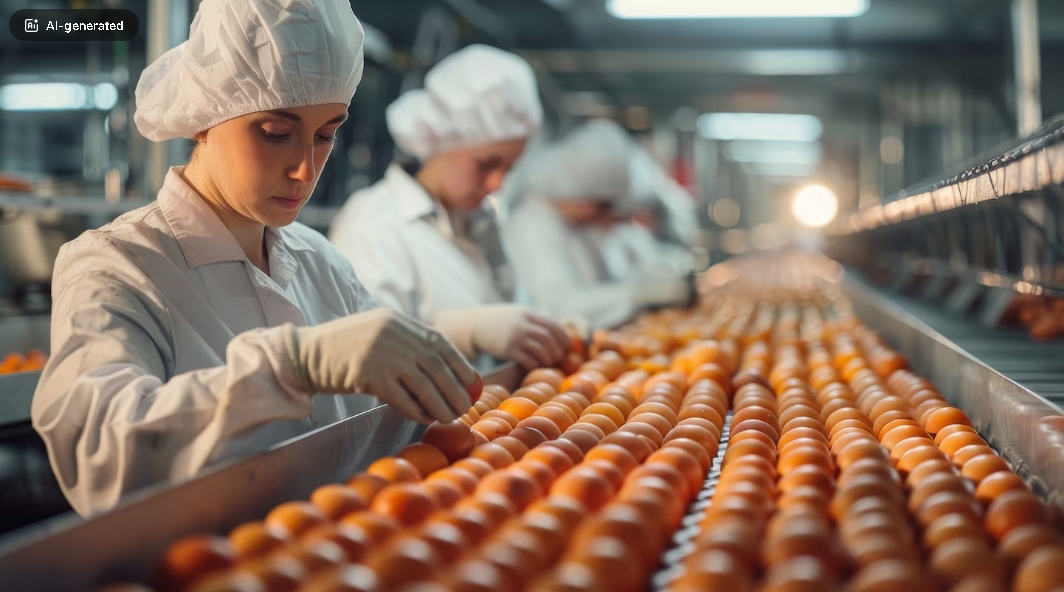
The food industry is also not immune to technological advances. Automation of production processes, the use of robots, and sensor systems help increase efficiency, reduce costs, and improve product quality. Modern technologies make it possible to create products with specific characteristics, such as improved nutritional value, reduced sugar, salt, or fat content, or adapted for people with special dietary needs, such as allergies or diabetes.
Packaging innovations also play a key role. Smart packaging, equipped with sensors and indicators, can monitor product condition, report freshness, and warn of potential damage. This helps reduce food loss and provide consumers with information about the quality of the products they consume. Biodegradable and eco-friendly packaging materials are being developed that can replace traditional plastics and reduce their environmental impact.
Consumer Technologies: Personalized Nutrition and Online Services
Technology is changing not only how food is produced but also how we consume it. New services and apps are emerging that allow you to plan meals, track the calorie and nutritional content of foods, and receive personalized nutrition recommendations. Advances in genetics and biochemistry make it possible to develop a personalized approach to nutrition that takes into account a person’s genetic characteristics, health, and lifestyle.
Online grocery and meal delivery services are becoming increasingly popular, saving time and providing access to a wide variety of products and dishes. Food ordering apps allow you to choose dishes from a variety of restaurants, compare prices, and read reviews from other users. Specialized services offering dietary meals, vegetarian dishes, and products for people with special needs are emerging. Meal kit delivery services with recipes are gaining popularity, allowing you to quickly and easily prepare a delicious and healthy dinner.
Unimeal Review: How Personalized Diets Are Changing the Approach to Healthy Eating
In today’s world, where everyone strives for optimal health and well-being, personalized diets are becoming increasingly popular. One service offering a personalized approach to nutrition is Unimeal review. This service allows users to develop a diet based on their personal parameters, such as age, weight, height, activity level, and food preferences. The service also provides access to a recipe database, workout tips, and expert support. Unimeal allows users to track their progress, adjust their diet, and gain motivation to achieve their goals. This makes healthy eating more accessible and effective for anyone striving for a healthy lifestyle.
Challenges and Prospects: Ethical and Environmental Aspects
Technology offers tremendous opportunities in nutrition, but it also poses new challenges. It is important to consider the ethical and environmental aspects of using new technologies in the food industry. It is essential to ensure access to healthy, high-quality food for all segments of the population, regardless of income level. It is also crucial to consider the environmental impact of technology, minimize resource use, and develop sustainable food production methods. The development of genetically modified (GMO) foods is highly controversial and requires careful study and regulation. It is essential to ensure transparency and consumer awareness of the composition and origin of food products.
In the future, we can expect further advances in nutritional technology. New production methods, such as cultured meat and plant-based alternatives, will emerge, which can reduce dependence on traditional livestock farming and mitigate the negative impact on the environment. Advances in artificial intelligence will enable the creation of personalized diets that take into account all the characteristics of the human body and optimize eating behavior.
Technology will continue to transform our diets, and it is up to us to harness these opportunities to ensure a healthy and sustainable future for all!


