
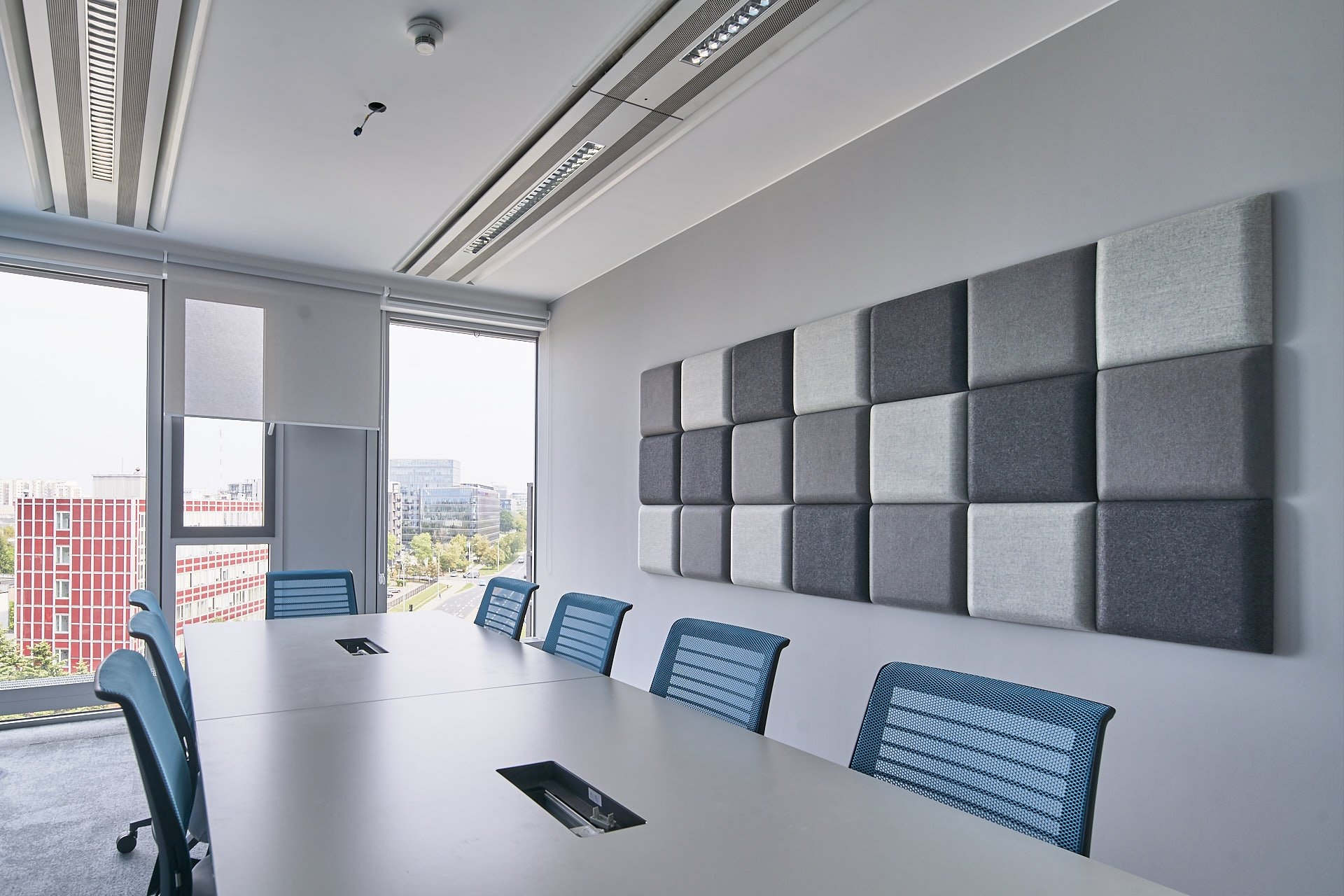
How Industrial Acoustic Panels Improve Sound Control in Large Spaces
Noise is one of the most overlooked challenges in industrial and commercial environments. Manufacturing floors, warehouses, distribution centers, and large workshops are often loud by design, but excessive noise can reduce productivity, affect safety, and strain equipment over time. That is where industrial acoustic panels come into play.
What Are Industrial Acoustic Panels?
Industrial acoustic panels are sound-absorbing materials designed specifically for large, noisy spaces. Unlike decorative panels used in offices or studios, these panels are built for durability, performance, and scale.
They are typically made from dense fiberglass, mineral wool, or composite materials and are wrapped or coated to withstand dust, moisture, and physical wear. Their primary purpose is to reduce echo, reverberation, and overall noise levels rather than completely soundproof a space.
In industrial settings, controlling noise is less about silence and more about clarity and safety. Why Noise Control Matters in Industrial Settings
High noise levels can cause more problems than discomfort. Prolonged exposure to loud environments increases the risk of hearing damage and fatigue. It can also interfere with communication, making it harder for workers to hear instructions, alarms, or warning signals.
From an operational standpoint, excessive noise can mask mechanical issues, delay response times, and create stressful working conditions. Over time, this can impact morale, efficiency, and even regulatory compliance.
Industrial acoustic panels help manage these risks by improving sound quality and reducing harmful noise buildup.
How Industrial Acoustic Panels Work
Sound behaves differently in large, open spaces. Hard surfaces like concrete walls, metal ceilings, and machinery reflect sound waves, causing them to bounce around and amplify noise.
Industrial acoustic panels absorb these sound waves instead of reflecting them. When sound hits the panel, its energy is converted into a small amount of heat within the panel’s material. This reduces echo and lowers overall noise levels.
Panels are strategically placed on walls, ceilings, or suspended from overhead structures to target problem areas where sound reflection is strongest.
Common Applications for Industrial Acoustic Panels
Industrial acoustic panels are used in a wide range of environments where controlling noise is essential for safety, efficiency, and comfort. Large, open spaces with hard surfaces tend to amplify sound, making targeted acoustic solutions especially important. While the goal is similar across industries, each setting presents its own challenges.
In manufacturing plants, heavy machinery, conveyors, and production lines generate continuous noise that can quickly build up. Acoustic panels help reduce echo and overall sound levels, making it easier for workers to communicate and stay alert. They also help limit long-term exposure to high noise levels, which is important for workplace safety.
Warehouses and distribution centers often feature high ceilings, concrete floors, and metal shelving that reflect sound. Forklifts, loading equipment, and daily operations can create a constant background of noise. Installing acoustic panels on walls or suspending them from ceilings helps control reverberation, improving clarity and reducing overall noise fatigue.
In power plants and utility facilities, equipment such as turbines, generators, and compressors produce intense and sustained noise. Acoustic panels are commonly used to manage sound within control rooms, adjacent workspaces, or around specific equipment areas. Effective sound absorption supports safer working conditions and clearer communication in critical environments.
Mechanical rooms and equipment enclosures present a more focused acoustic challenge. These areas often house HVAC systems, pumps, and motors that generate vibration and noise. Acoustic panels help contain sound within the room or enclosure, preventing it from spreading to surrounding areas and reducing disturbance in occupied spaces.
Gymnasiums and large commercial spaces face different but equally demanding acoustic issues. Hard surfaces and open layouts can cause echoes that make speech difficult to understand. Acoustic panels improve sound clarity during events, announcements, and daily use, creating a more functional and comfortable environment.
In automotive and aerospace facilities, precision work and testing areas require controlled sound conditions. Noise from machinery and tools can interfere with communication and concentration. Acoustic panels help reduce background noise, supporting accuracy, safety, and consistent performance.
Each of these environments has distinct acoustic demands, which is why panel selection, material choice, and placement are critical. Properly designed solutions ensure industrial acoustic panels deliver effective, reliable sound control tailored to the space.
Benefits Beyond Noise Reduction
While noise control is the primary goal, industrial acoustic panels offer additional benefits.
Improved communication is one of the most noticeable changes. When echo is reduced, speech becomes clearer, which helps teams coordinate more effectively and safely.
Panels can also contribute to better concentration and reduced fatigue. Lower noise levels create a more manageable environment, especially during long shifts.
In some cases, acoustic treatment can help facilities meet workplace safety standards related to noise exposure, reducing liability and compliance concerns.
Durability and Design Considerations
Industrial environments demand materials that can handle tough conditions. Industrial acoustic panels are designed to resist impact, moisture, and airborne particles.
Some panels feature washable or sealed surfaces, while others are fire-rated to meet safety requirements. Thickness, density, and mounting method all affect performance and durability.
Although function comes first, panels are available in various colors and finishes, allowing facilities to maintain a clean and professional appearance.
Wall-Mounted vs Ceiling Panels
Placement plays a key role in how effective acoustic panels are. Wall-mounted panels are often used to control reflected sound at ear level, especially in long corridors or production areas.
Ceiling-mounted or suspended panels are useful in spaces with high ceilings where sound travels upward and spreads across open areas. These installations can significantly reduce reverberation without taking up floor space.
A balanced approach often delivers the best results, combining wall and ceiling treatments based on the layout of the space.
Custom Solutions for Complex Spaces
No two industrial spaces sound the same. Machinery layout, ceiling height, surface materials, and workflow all affect acoustics.
For that reason, industrial acoustic panels are often part of a customized sound management plan. Acoustic assessments help identify noise sources and determine the most effective panel types and placement strategies.
Tailored solutions ensure that panels address real problems rather than offering minimal or uneven results.
Installation and Maintenance
Installation is typically straightforward but should be done correctly to ensure maximum performance. Panels must be securely mounted and positioned to target reflective surfaces effectively.
Once installed, industrial acoustic panels require minimal maintenance. Periodic cleaning and inspection are usually sufficient to keep them performing well.
Their long lifespan makes them a cost-effective investment for facilities looking to improve working conditions without ongoing upkeep.
Long-Term Value for Industrial Facilities
While acoustic panels are often seen as an optional upgrade, they provide long-term value. Reduced noise-related stress, improved safety, and better communication all contribute to smoother operations.
Facilities that invest in sound control often see improvements in productivity and employee satisfaction. Over time, these benefits can outweigh the initial installation cost.
Industrial acoustic panels are not just about sound. They are about creating a safer, more efficient environment where people and equipment can perform at their best.
Final Thoughts
Industrial spaces will never be quiet, and they do not need to be. What they do need is controlled, manageable sound.
Industrial acoustic panels offer a practical, durable solution for reducing noise, improving clarity, and supporting safer working conditions. When designed and installed thoughtfully, they transform loud, echo-filled environments into spaces that function better for everyone inside.
Forfacilitiesfacingpersistentnoisechallenges, acousticpanelsareasmartandprovenstep forward.


