
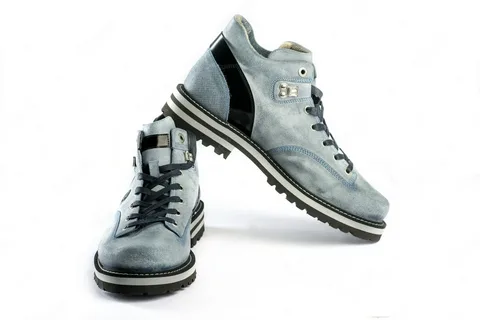
Sustainable Stitching in Footwear: Reducing Waste Through Better Thread Engineering
Making shoes is not about how they look and feel. It is also about using materials in a way. Nowadays a lot of shoe companies want to reduce waste and make production better for the planet. One small thing that makes a difference is the thread used in shoes. Thread may seem like a small part of a shoe but it plays a big role in stitching, strength, finish and waste control.
When the thread is not right a lot of problems can happen. The thread may break during stitching. It may create seams. It may not match the material well. Because of this the factory may need to stop the machine again. Workers may have to remove stitches and do the work one more time. This wastes thread, time, power and labor. It also creates rejected pieces. So better thread engineering can help reduce all this waste.
Good thread engineering means choosing and making thread (bonded nylon thread) in a way for the job. It is not about strong thread. It is also about the size, right finish, right twist and smooth machine performance. When thread is made properly for shoe use stitching becomes cleaner and more stable. This helps factories save material and avoid production loss.
In shoe manufacturing many parts need stitching. The upper part, lining, tongue, heel area and some sole parts all need seams. These areas go through bending, pulling, rubbing and daily wear. If the thread is weak or not suitable the seam may fail early. Then the product can get. Rejected. This means waste after production also. A better thread helps make the shoe last longer and longer life means waste in the full product cycle.
Another important point is thread breakage. If the thread keeps breaking on the machine the process becomes slow. Every break means machine stop, restart checking tension and doing the stitch again. This wastes thread pieces and also increases fabric or upper damage in some cases. A engineered thread runs more smoothly. It gives lubrication, better strength and better tension control. Because of this the machine runs better. Wastage goes down.
The size of the thread also matters a lot. If the thread is too thick it can create bulk. May not suit light shoe materials. If it is too thin it may not hold the seam properly. In both cases the result is poor. Wrong thread size can lead to seam opening, ugly look or extra rework. When factories choose the thread size for each shoe application they can avoid these problems and reduce material loss.
Color consistency is also linked with waste. If the thread (polyester embroidery thread) shade changes from one lot to another the finished shoe may not look uniform. Then products may be rejected even if the stitching is strong. Better thread engineering includes dyeing and color control. This helps brands maintain quality and reduce rejection because of appearance issues.
In shoe production many companies are trying to use recycled materials, cleaner production methods and longer lasting components. Thread suppliers can support this goal by offering threads made with raw materials and efficient production systems. Some threads are designed to give performance with less resource use. Some are made to reduce breakage and machine stops. These improvements may look small. In bulk production they create a very big impact.
Better stitching also means rework. Rework is one of the hidden wastes in factories. When a seam is not right workers need to open stitches and sew again. This takes time. Damages productivity. Sometimes the upper material also gets. Weakened. Then that part cannot be used. So one bad seam can waste more than thread. A better thread helps give reliable stitching from the first time. That is why first time quality is very important for shoe production.
Strong seam performance also supports brand value. Customers expect shoes to stay good for a time. If the stitching opens fast the product feels quality. People may throw it away early. This creates product waste in the market.. When thread performance is good the shoe stays usable for longer time. This supports sustainability in a way. A durable shoe is always better than a shoe that needs replacement.
Factories can reduce waste more by testing thread before full production. Small checks for strength, abrasion, tension, seam look and machine compatibility can save a lot later. Training machine operators also helps. Even the best thread cannot perform well if tension setting or needle choice is wrong. So sustainability in stitching is a mix of thread proper machine setting and careful production control.
In the end sustainable stitching is not a trend. It is a way to make shoes better. Better thread engineering helps reduce breakage, rework, rejection and early product failure. It saves material improves efficiency and supports long term quality. For shoe manufacturers who want waste and better results choosing the right thread is a simple but powerful step. Sustainable stitching in footwear is very important for reducing waste. Sustainable stitching, in footwear helps shoe companies make shoes.


